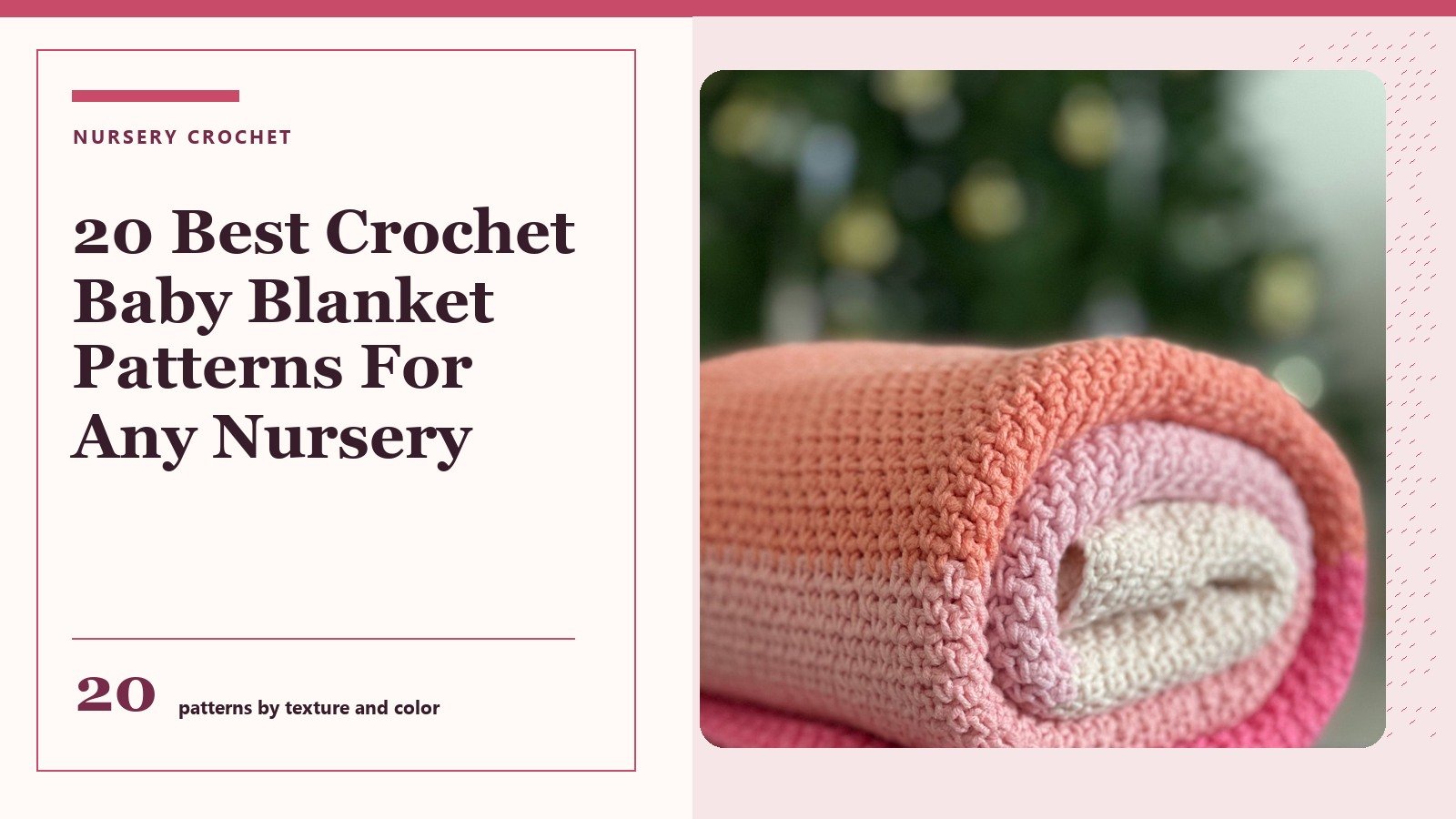
20 Best Crochet Baby Blanket Patterns For Any Nursery
Choose a blanket by its texture, size, or color palette, with yarn notes and direct links to all 20 designs.
A baby blanket is a generous gift, and the right pattern makes the hours of crocheting feel manageable. These crochet baby blanket patterns cover the calm end of the spectrum, with moss stitch and sandstone textures, as well as nursery accents with bobbles, gingham, waves, and little flowers.
Start with the kind of fabric you want. A compact rectangle is easy to carry and generous enough for a lap or a play surface. A wider, heavier blanket takes more yarn and time, but it gives a nursery chair a cover you can keep using. Each entry includes the designer’s source and the materials or measurements that make the comparison useful.
Key takeaways
For a first blanket, look at Simple Sandstone, Sedge Stitch, or B.Hooked’s self-striping square.
Shells and bobbles show up well in a single color. Gingham and windowpane patterns depend on clear differences in color value.
Swatch the actual stitch pattern and wash the swatch before estimating yardage or choosing a border.
Choose washable yarn for frequent use. Secure all ends and keep loose blankets out of an infant’s sleep space.
Before you start
Choose the finished size Read the published dimensions before buying yarn. Decide whether you want a compact gift or a larger piece to drape over nursery furniture, then work within the designer’s repeat if you resize it.
Check the yarn and fabric Look at yarn weight, fiber, and care together. A same-weight yarn can be heavier, springier, or less drapey than the sample. Compare the feel and relaxed width of a washed swatch.
Plan the edges With textured rows, count the first and last stitch early. For a striped or motif design, leave time to weave ends and check how the border lies on each side.
Crochet terms Check whether the source uses US or UK terminology before working a stitch abbreviation.
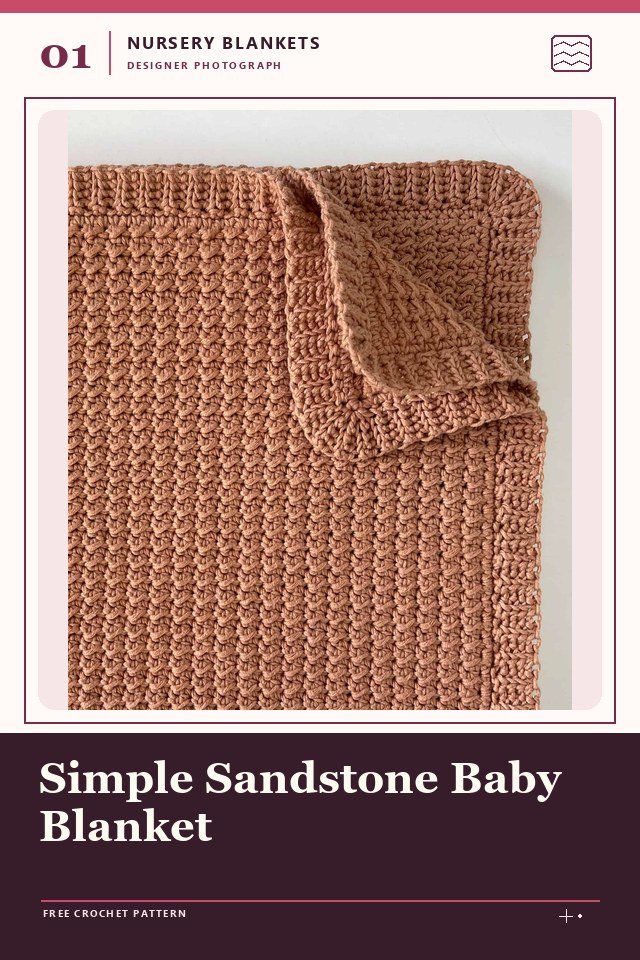
A quiet, compact blanket for a neutral nursery. The small textured repeat gives a solid cream, oatmeal, or sandstone shade enough depth to stand on its own.
Designer or publisherDaisy Farm Crafts
Yarn and toolsBernat Softee Cotton, 5 skeins
Size, fit, or gauge27 × 27 in · gauge 19 stitches and 22 rows per 4 in
Maker’s tip Work a practice strip before starting the full width. Keep the last stitch of each row marked until you can spot the edge consistently.
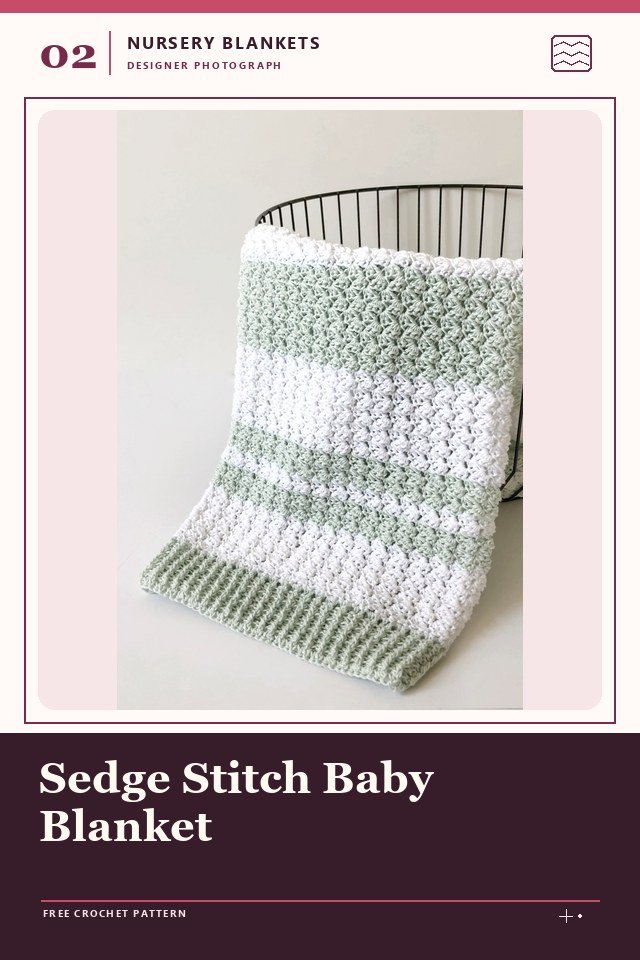
The sedge stitch places stitches of different heights together for a low relief texture. Bamboo Pop gives this sample a different feel from a heavy acrylic blanket, and the ribbed edging frames the main fabric.
Designer or publisherDaisy Farm Crafts
Yarn and toolsBamboo Pop, 3 white and 4 Lily Pad skeins · 4 mm hook
Size, fit, or gauge32 × 38 in
Maker’s tip Check the drape after washing a swatch. When adding the border, lay the blanket flat periodically to catch edges that flare or pull inward.
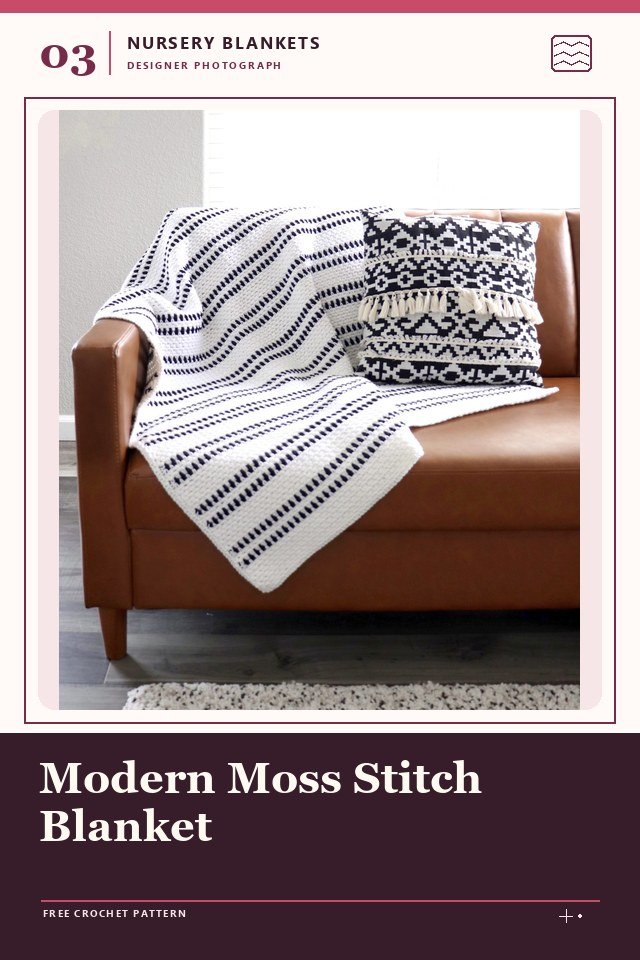
Chain spaces give this moss-stitch blanket its small, interlocking texture. The oversized sample and high-contrast black and white make it a good fit for a monochrome reading corner.
Designer or publisherDaisy Farm Crafts
Yarn and toolsCaron One Pound, 2 white and 1 black skein · 6 mm hook
Size, fit, or gauge40 × 53 in · gauge 8 stitches and 14 rows per 4 in
Maker’s tip Use a lighter background or softer charcoal for a quieter palette. Work into chain spaces consistently and check the width across the center.
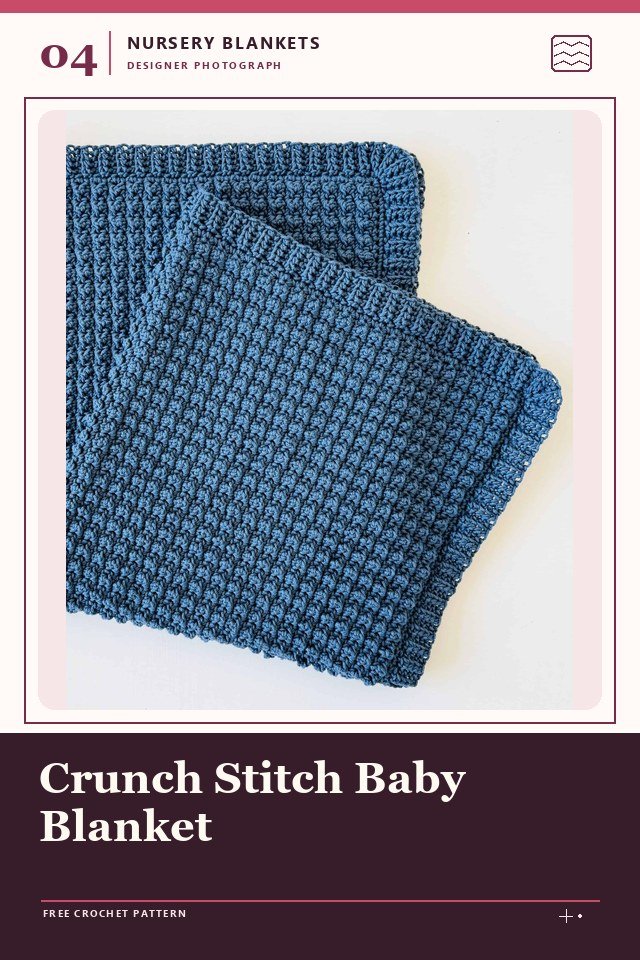
Alternating short and tall stitches gives this one-color cotton blanket a pebbled surface. The compact proportions make it an approachable introduction to textured blanket fabric.
Designer or publisherDaisy Farm Crafts
Yarn and toolsCaron All Day Cotton, 6 skeins · 5 mm hook
Size, fit, or gauge29 × 33 in · gauge 13 stitches and 13 rows per 4 in
Maker’s tip Keep the slip stitches loose enough to enter on the next row. If they lock up, practice lifting each loop to the shaft of the hook before pulling through.
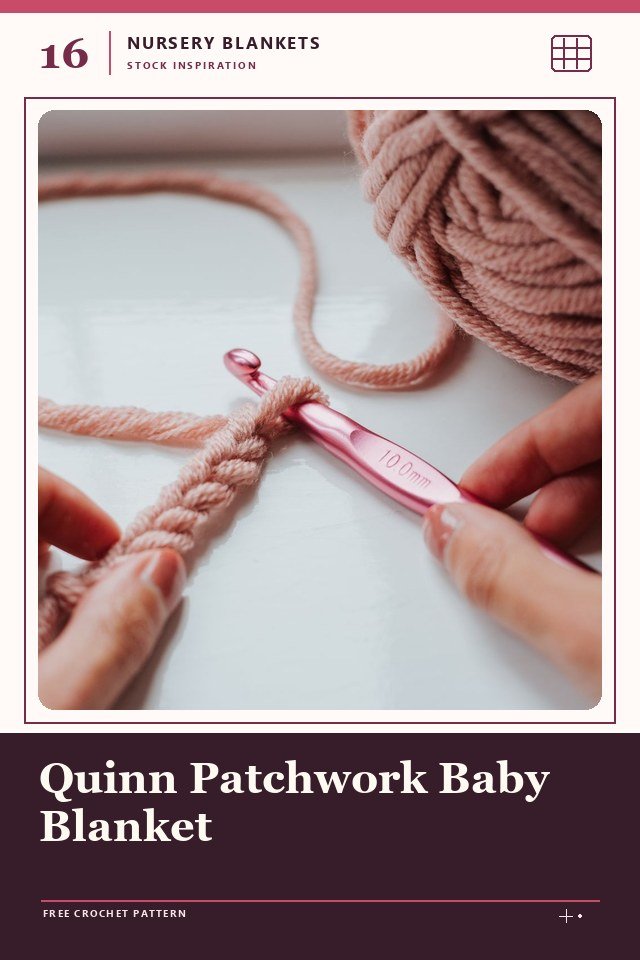
A self-striping DK cake puts the color changes to work while you concentrate on the repeated stitch pattern. This is a good first choice if you want a colorful square without changing yarn every few rows.
Designer or publisherB.Hooked Crochet
Yarn and toolsAbout 1,430 yd Lion Brand Mandala Baby · 5.5 mm hook
Size, fit, or gauge38 × 38 in · gauge 16 stitches and 14 rows per 4 in
Maker’s tip Compare the cakes before you join a new one. If you want a smooth color transition, start the next cake at a matching section.
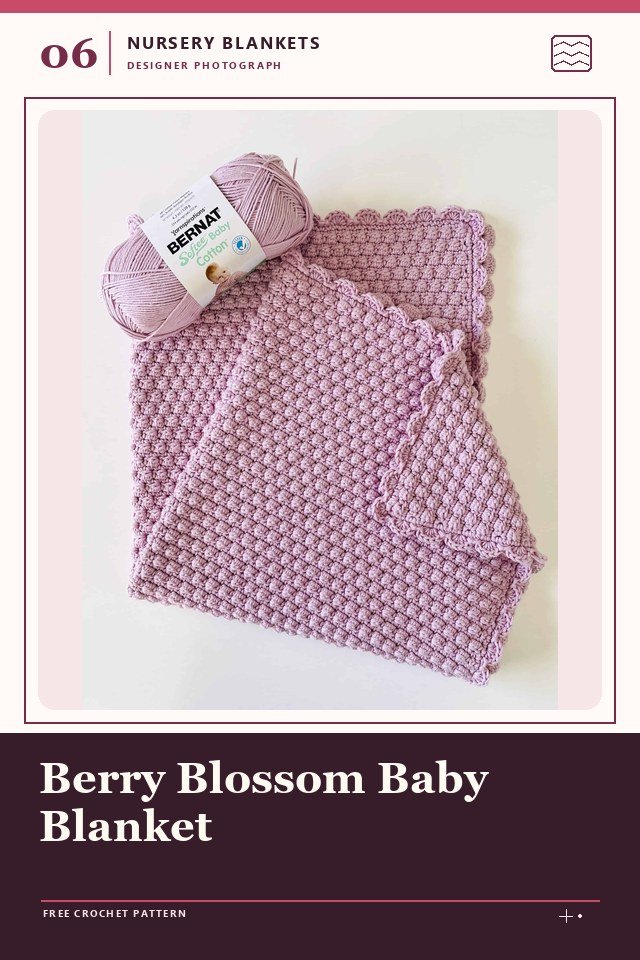
Little raised berries give a solid background a dotted rhythm. Plum gives the sample its depth, while sage or warm cream would make the same texture feel more understated.
Designer or publisherDaisy Farm Crafts
Yarn and toolsBernat Softee Baby Cotton, 4 skeins · 5 mm hook
Size, fit, or gauge26 × 28 in · gauge 12 stitches and 16 rows per 4 in
Maker’s tip Practice forming several berries in a swatch and keep their loop heights even. Check that the bumps sit on the same face before you continue.
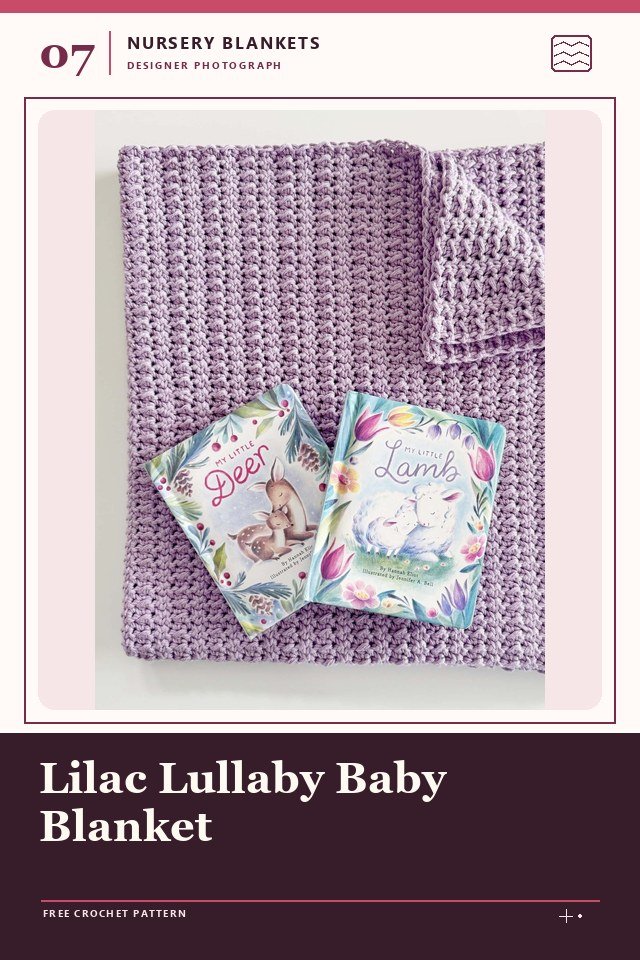
This lilac baby blanket gives a single pastel enough texture to carry the whole piece. Use it as a color anchor for a painted shelf, nursery chair, or a gift basket with cream linens.
Designer or publisherDaisy Farm Crafts
Yarn and toolsRed Heart With Love Better Half, 7 skeins · 5.5 mm hook
Size, fit, or gauge32 × 34 in · gauge 13 stitches and 18 rows per 4 in
Maker’s tip Swatch the pattern stitch with the actual yarn you plan to buy. A substitute with the same weight label may feel different after washing.
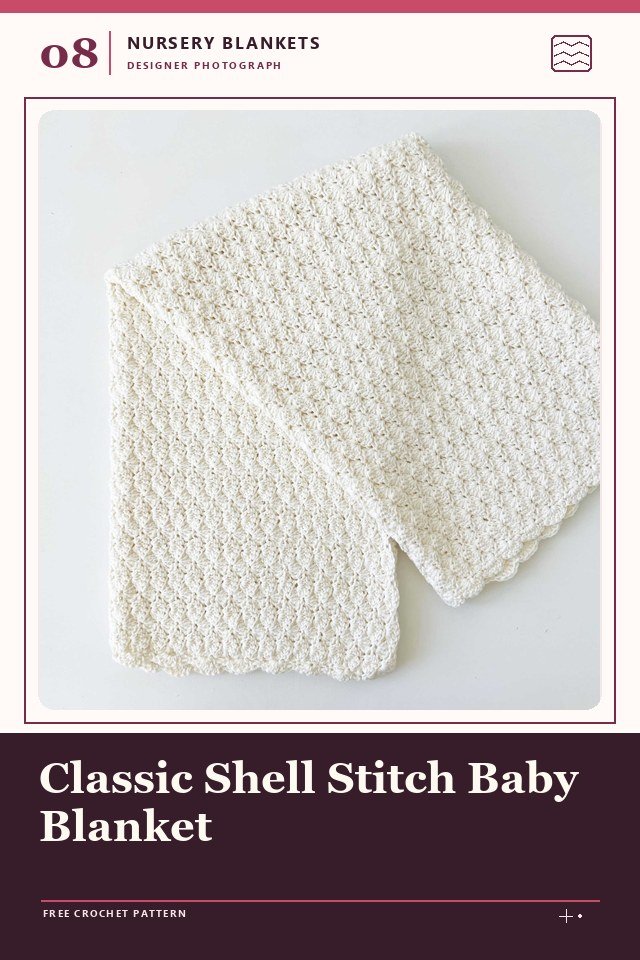
Fans of double crochet create the scalloped texture. Alongside plain bedding or solid-colored upholstery, the repeating curves already give this blanket plenty of detail.
Designer or publisherDaisy Farm Crafts
Yarn and toolsBernat Softee Cotton, budget 7 skeins · 5 mm hook
Size, fit, or gauge35 × 38 in · 3 shell groups across 4 in
Maker’s tip Count complete shells when you check gauge. Recount after the first pattern repeat so a missing anchor stitch does not shift the next row.
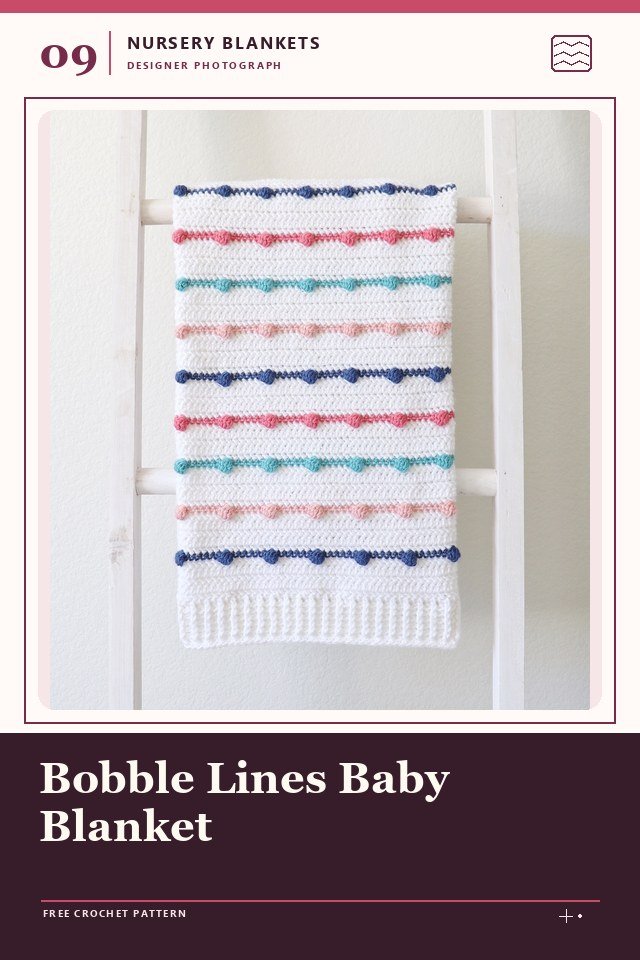
Colored rows of bobbles break up a white ground without making it busy. It is especially easy to coordinate with a nursery when two of the accent colors already appear in the room.
Designer or publisherDaisy Farm Crafts
Yarn and toolsBernat Softee Baby, 4 white skeins and 1 each of 4 accent colors · 5 mm hook
Size, fit, or gauge35 × 35 in
Maker’s tip Lay out the accent order before starting. Stop after each colored row to check that its first and last bobbles align with the others.
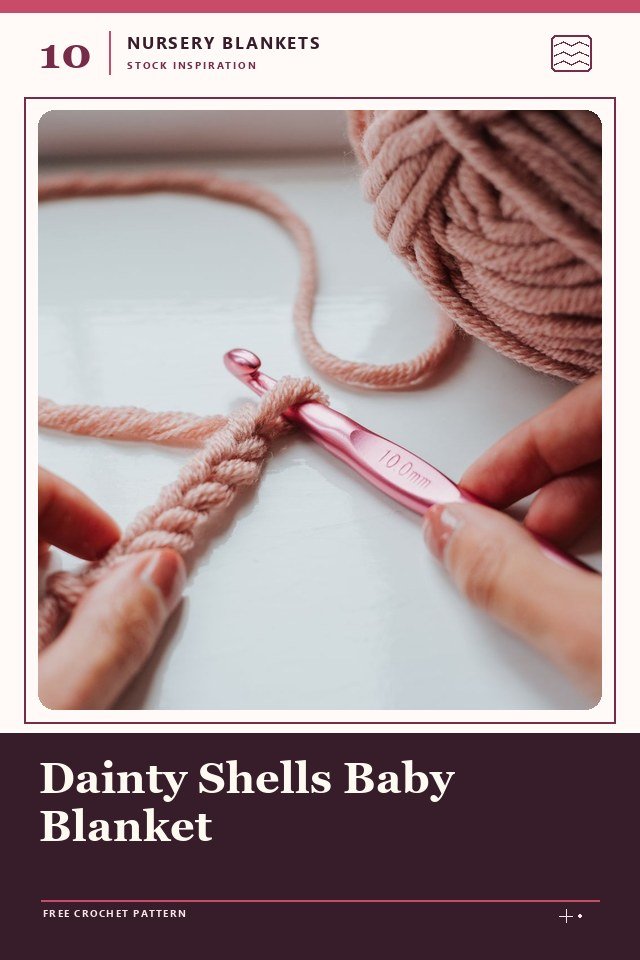
Small shells in a fine, smooth yarn let this fabric drape instead of standing stiff. The updated Cottino sample gives you a current yarn option for the designer’s original soft pink look.
Designer or publisherAll About Ami
Yarn and toolsUpdated sample uses 5 skeins of Lion Brand Cottino DK · 4 mm hook
Size, fit, or gaugeUse the designer’s measurements for the version you choose
Maker’s tip Use the yardage for your chosen version. A substitute that feels thicker in the skein will usually feel thicker once you work the shell repeat.
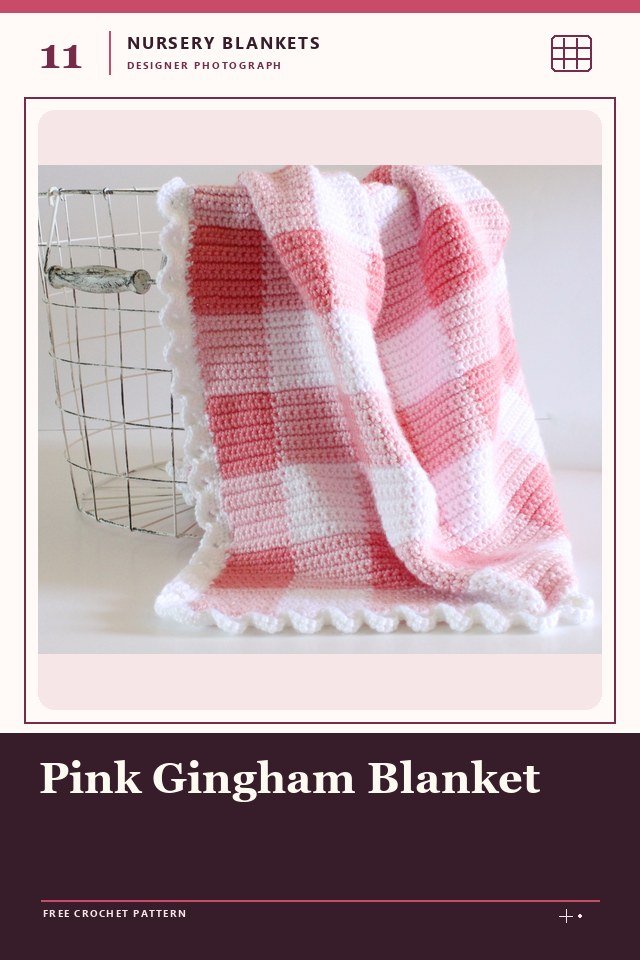
Three related shades create a classic gingham grid. Changing colors inside the row takes more attention than ordinary stripes, especially if you want the squares to stay even.
Designer or publisherDaisy Farm Crafts
Yarn and toolsCaron Simply Soft, 3 skeins in each of 3 shades · 5 and 6 mm hooks
Size, fit, or gauge36 × 36 in
Maker’s tip Choose one pale, one middle, and one deeper value. Make a two-color swatch and check how visibly the carried strand shows through.
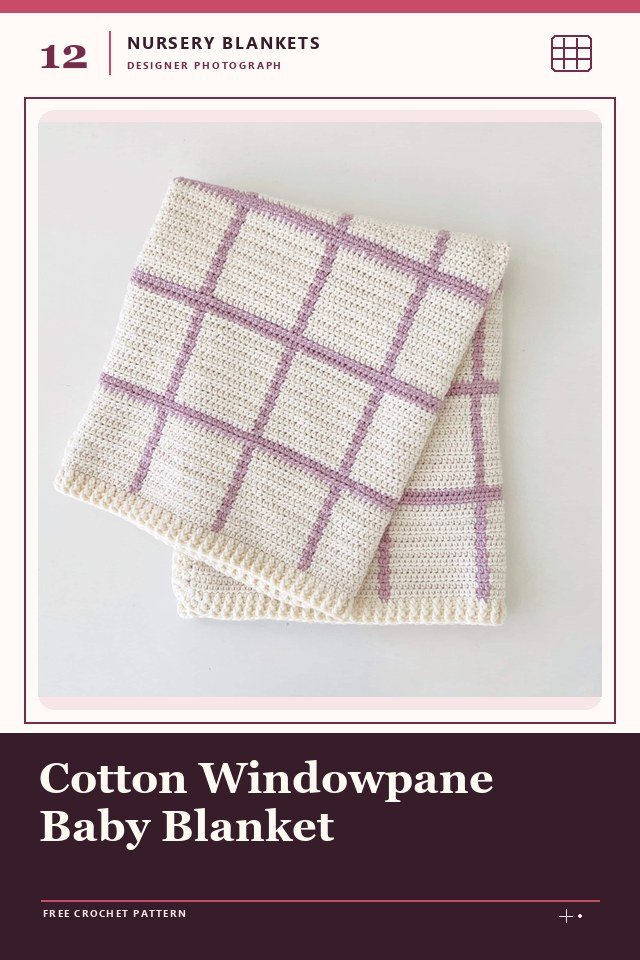
Thin contrasting lines leave more breathing room than a full checkerboard. A cream ground with a narrow plum grid reads clearly alongside both traditional and modern nursery furniture.
Designer or publisherDaisy Farm Crafts
Yarn and toolsBernat Softee Baby Cotton, 6 cream and 3 plum skeins · 4 mm hook
Size, fit, or gaugeAbout 35 × 35 in
Maker’s tip Check the proportion of your first complete window before working the whole repeat. When edging, match stitch distribution along the row ends to keep the frame square.
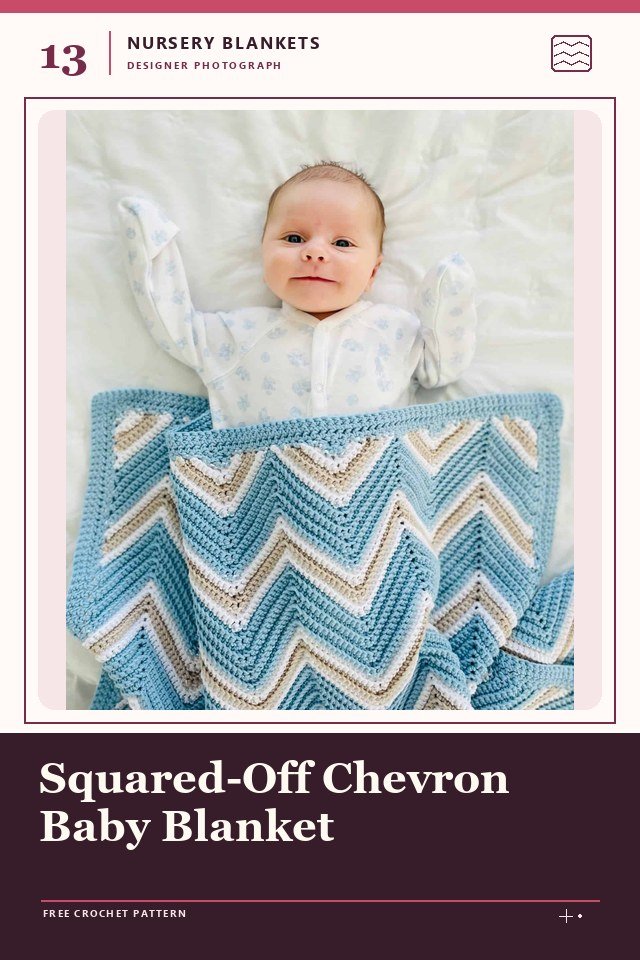
This small chevron keeps the zigzags visible while the finished ends have a more rectangular outline. The single crochet fabric makes a good background for crisp bands of blue, gray, and white.
Designer or publisherDaisy Farm Crafts
Yarn and toolsBernat Softee Baby Cotton, 4 blue, 2 white, 2 gray skeins · 4 mm hook
Size, fit, or gauge24 × 31 in · 9 stitches and 8 rows per 2 in in single crochet
Maker’s tip Mark the peaks and valleys in the first repeat. Follow the designer’s end-shaping directions before deciding how to finish the shorter edges.
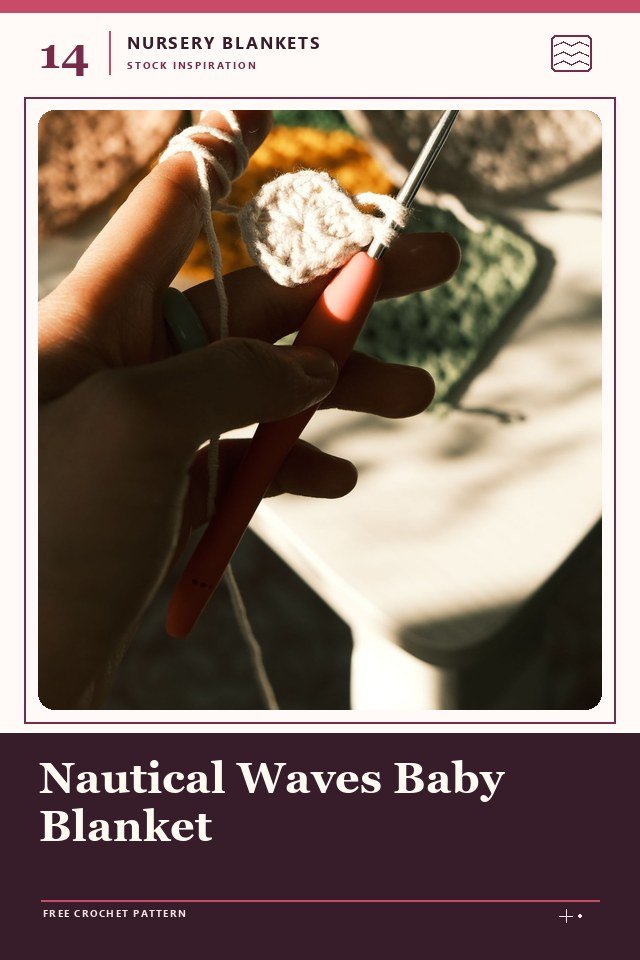
A blue-and-white wave pattern gives the blanket a coastal look with very little styling around it. The designer supplies a size-adjustment approach if the sample is smaller than you want.
Designer or publisherAnnie Design Crochet
Yarn and toolsAbout 800–1,000 m of DK or light worsted yarn · 4.5 mm hook
Size, fit, or gauge29 × 32 in for the sample
Maker’s tip Make one complete wave repeat before changing the starting width. Keep the number of repeats intact and budget extra yarn if you add them.
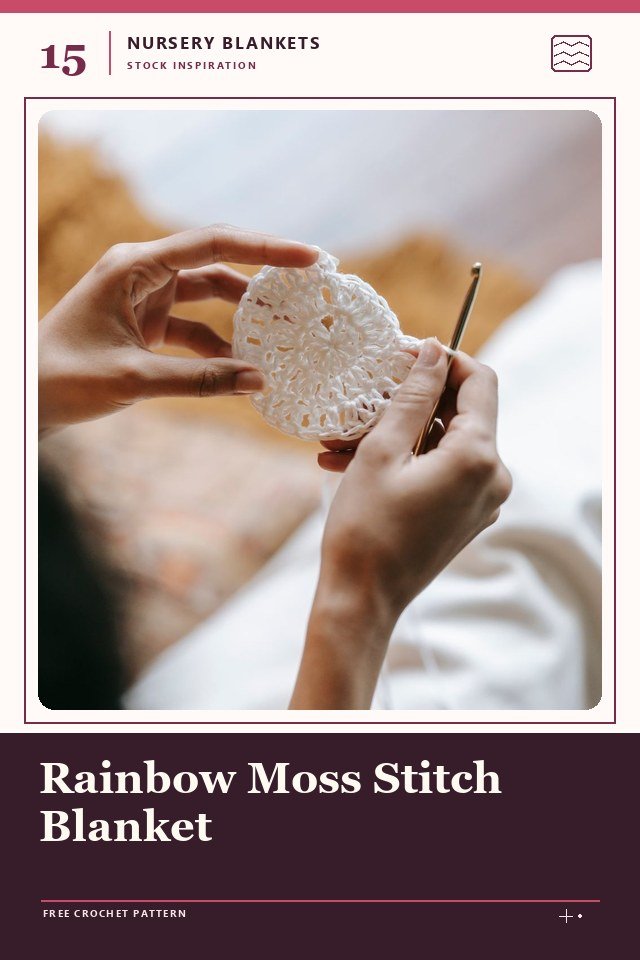
A gradual rainbow in moss stitch is a good choice when you want color but prefer to avoid full rows of bobbles or strong relief texture. The light accent separates the shifts in the multicolor yarn.
Designer or publisherDaisy Cottage Designs
Yarn and toolsMandala Ombré plus Basic Stitch accent · 5.5 and 6 mm hooks
Size, fit, or gaugeAbout 30 × 35 in
Maker’s tip If substituting a cake, lay the color sequence out first. Follow the pattern’s hook changes so the border sits comfortably around the body.
Color-blocked squares make this a portable blanket project. The palette has room for a pale ground and several accent shades, so you can match the nursery without buying large amounts of every color.
Designer or publisherTL Yarn Crafts
Yarn and toolsWeCrochet CotLin DK · 5 mm hook
Size, fit, or gaugeCheck the assembly and finished-size notes before altering the layout
Maker’s tip Block the squares to the same dimensions and lay the arrangement on a table. Take a reference photo before joining so the colors stay in order.
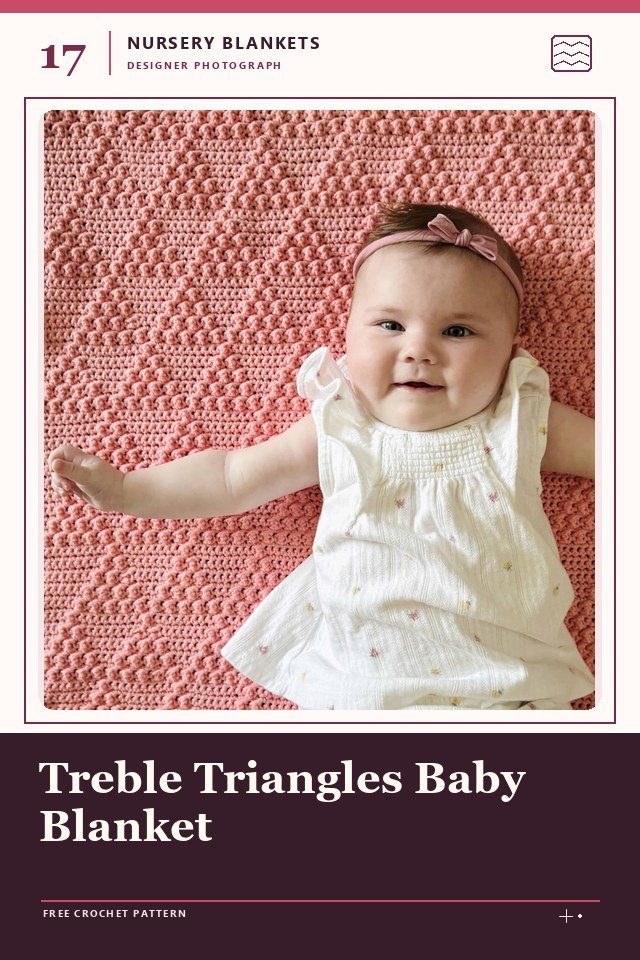
Raised triangles create a geometric pattern on a single-color background. Work it in a dusty pastel to soften the angles or a midtone to make the raised shapes easier to see.
Designer or publisherDaisy Farm Crafts
Yarn and toolsBernat Bundle Up, 4 skeins · 5 mm hook
Size, fit, or gauge28 × 27 in · single-crochet gauge 15 stitches and 18 rows per 4 in
Maker’s tip Keep tall loops consistent and count the background stitches between shapes. Check the right side at the end of each motif section.
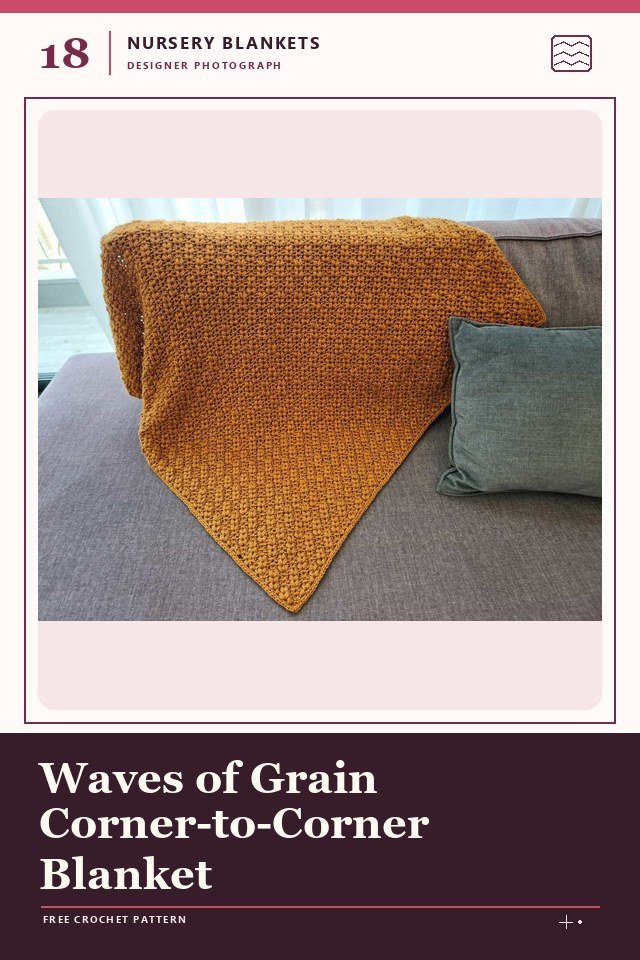
This textured square grows from a corner, so you can monitor the diagonal as it takes shape. It makes a good next project after a basic rectangle and uses one main yarn for an unbroken surface.
Designer or publisherMade by Gootie
Yarn and toolsAbout 1,200 yd of worsted #4 acrylic · 5.5 mm hook
Size, fit, or gauge35 × 35 in · intermediate
Maker’s tip Mark the transition from increasing to decreasing. Check each side of the diagonal for even edges before you start the finishing round.
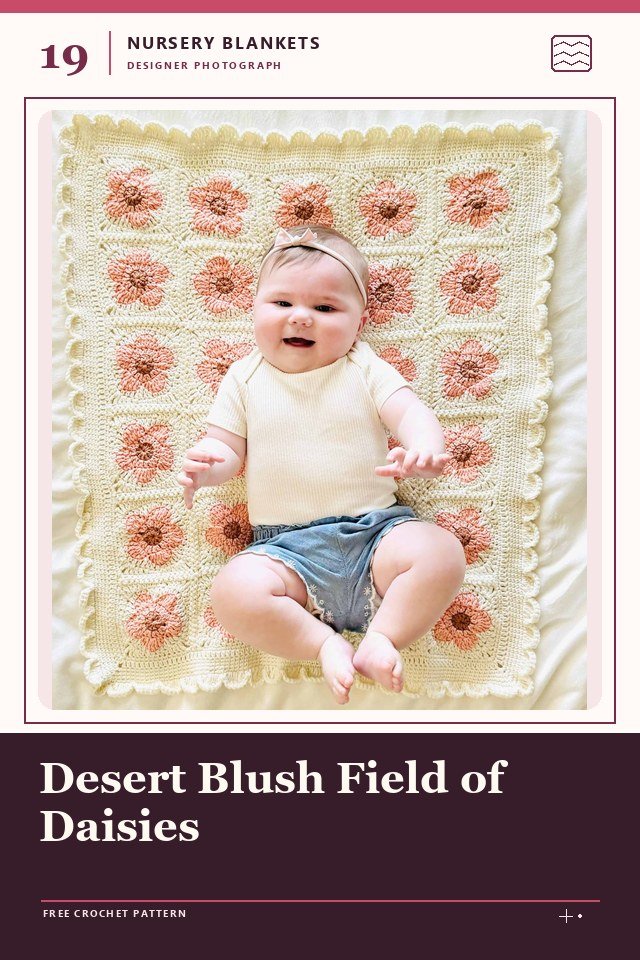
The tiny floral details make this a subtle option for a botanical nursery. Cream, blush, and sandstone keep the effect soft even with three shades in the palette.
Designer or publisherDaisy Farm Crafts
Yarn and toolsBernat Softee Cotton, 2 cream and 1 skein in each accent · 4 mm hook
Size, fit, or gauge28 × 25 in
Maker’s tip Work the first flower sequence slowly and check its spacing before continuing. Keep yarn ends well secured in the finished fabric.
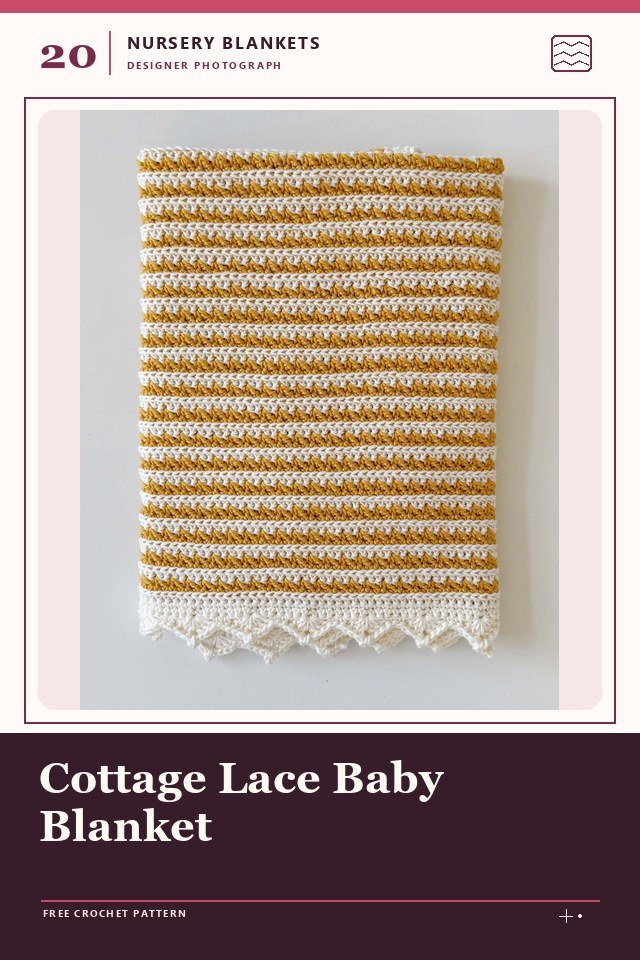
Two shades and an openworked surface make this a light-looking accent for a nursery chair. The small square is an especially good way to try a lace repeat without committing to a full-size throw.
Designer or publisherDaisy Farm Crafts
Yarn and toolsBernat Softee Cotton, 3 golden and 3 cream skeins · 5 mm hook
Size, fit, or gauge27 × 27 in · gauge 9 stitches and 10 rows per 2 in
Maker’s tip Finish a swatch before choosing colors. Blocking the sample lets you see the true size of the openings and how much the border relaxes.
What is the easiest baby blanket crochet pattern here?
Start with the Simple Sandstone blanket for a small, single-color project, or the B.Hooked blanket for a repeated stitch pattern with color changes supplied by the yarn.
How much yarn do I need for a crochet baby blanket?
Use the pattern’s yardage or skein count, then compare yardage per skein when substituting. Increase your budget if you enlarge the blanket or add a wider border, and account for each color separately.
Which baby blanket yarn is easiest to wash?
Choose a soft yarn whose label gives care instructions that suit the recipient. Machine-washable cotton blends and acrylics are common choices. Wash a swatch before committing to an unfamiliar yarn.
Do I have to add an edging?
Many patterns already include one. With a clean rectangle, a simple border can be enough. On waves and joined pieces, the finishing rows may also shape or stabilize the edge.
Can I change a blanket’s size without changing hook size?
Usually you can resize using the design’s stitch repeat and your measured gauge. For a motif design, check the layout and add whole motifs. Change the hook to match gauge or fabric feel.
Final thoughts
Pick the blanket you can imagine working on for several evenings. If the nursery already has a lot of color, a single textured shade is a good fit. If the room is mostly neutral, make the blanket the place where the color comes in.